Beinn Bharrain and the corrie lochan
A quieter western ridge, a small corrie lochan and broad views across Kilbrannan Sound: the case for giving Arran’s western hills their own place in the walking conversation.
Why choose the western hills?
Is the walk worth choosing when Goatfell and the eastern ridges draw more walkers? Yes, if the appeal is a quieter part of Arran and a different shape of hill. Beinn Bharrain and Mullach Buidhe form a granite ridge above Pirnmill, on the island’s west side. The western hills see far fewer walkers than the better-known eastern ground. That is a real distinction, not a claim that one side is better in every respect.
The ridge is gentler and rounder than the eastern peaks, though made of the same granite. It is less dramatic in outline, perhaps, but that is not a flaw. A walk here offers its own scale and character, without asking the hills to imitate Goatfell. For anyone weighing up where to spend walking time on Arran, that quieter alternative deserves consideration.
What is the walk’s focus?
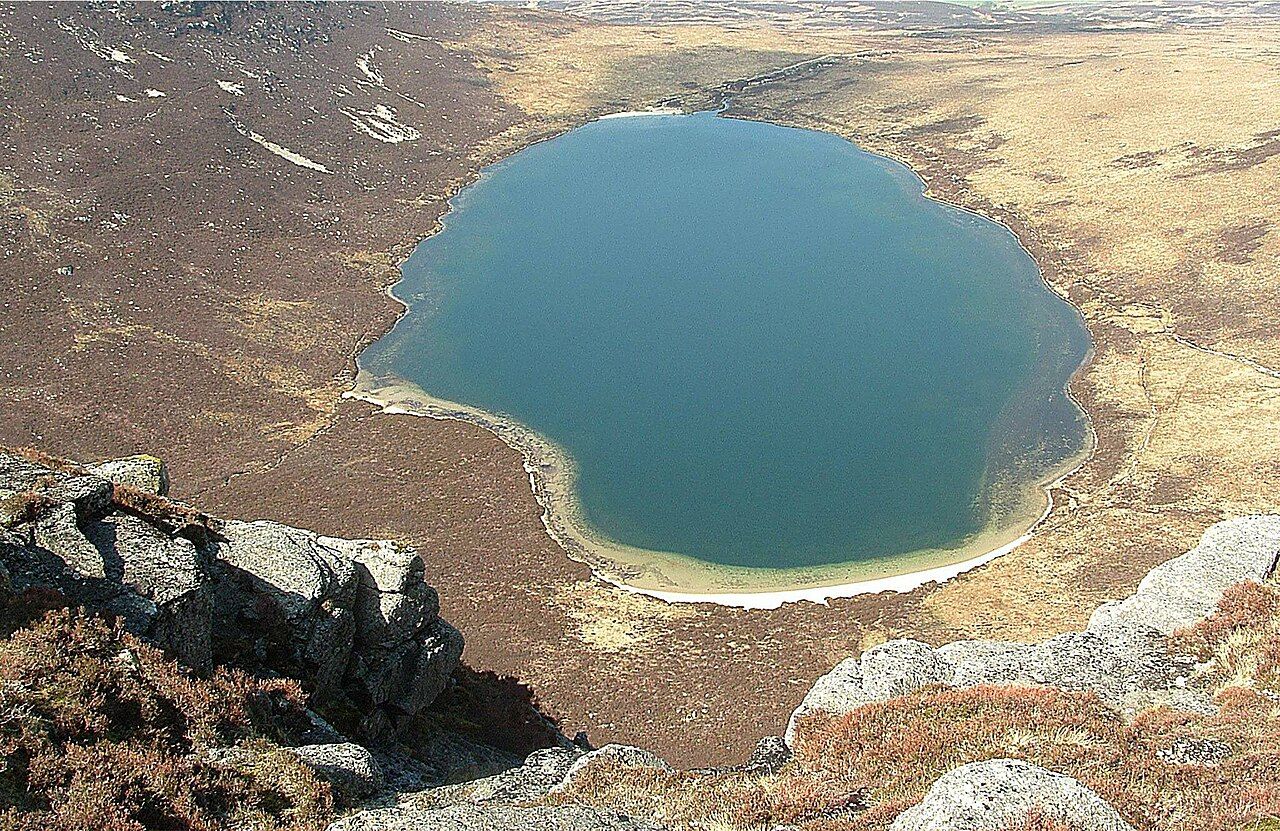
Coire Fhionn Lochan is the natural centre of the shorter outing. It is a small loch in a glacial corrie on the north side of the western hills, at about three hundred and forty metres. A small sandy beach lies at its outlet. Those details are modest, which is part of the appeal: this is not a grand mountain lake, and it does not need to be.
The path climbs to the lochan from Mid Thundergay on the coast road. The climb gives the walk its shape; the lochan provides a clear destination. The setting is more contained than the long ridge above it, and the beach at the outlet gives the water’s edge a particular character. This is a walk to value for that combination, rather than for a long list of dramatic features.
Is the lochan enough of a destination?
For a shorter walk, yes. The lochan is small, but the corrie gives it a clear place in the landscape. The sandy outlet is an unusually specific detail, and a welcome one: it makes the stop feel distinct from a simple arrival at a stretch of water. Nothing in the description suggests a grand spectacle. The quieter reward is a small loch held within a glacial corrie.
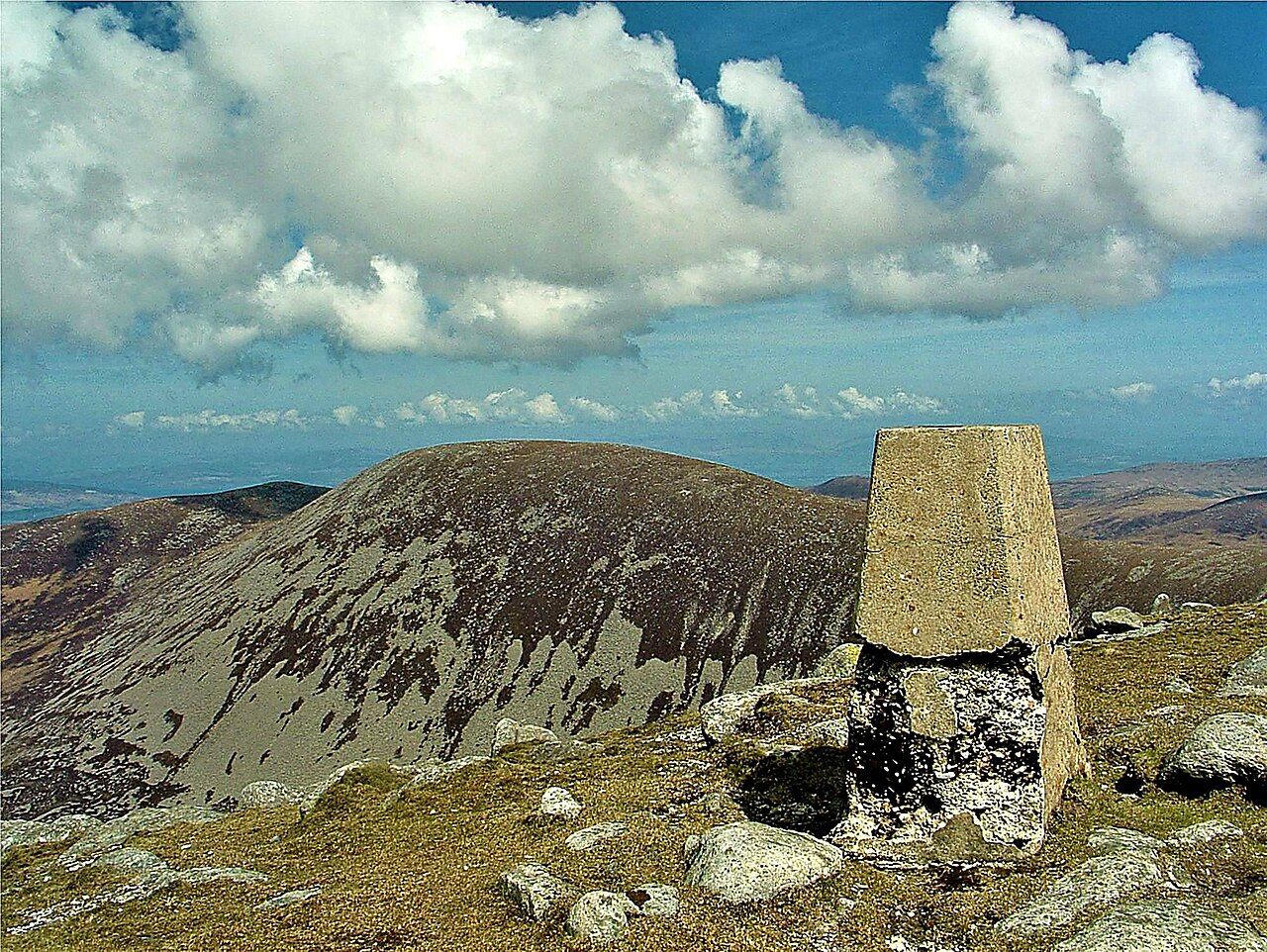

That scale matters. A destination does not have to be large to give a walk purpose, and the western hills are not improved by being described as something they are not. The lochan works because it belongs to the shape of the land around it. For those after a more expansive outing, the ridge has another answer.
What does the ridge add?
Mullach Buidhe, the highest point of the western ridge, rises to about seven hundred and twenty-one metres. From the Beinn Bharrain ridge, the view takes in Kintyre, the Paps of Jura and Glen Iorsa. That range of places is the strongest argument for going beyond the lochan: the view shifts the attention outwards, from the close setting of the corrie to a wider western prospect.
The long ridge is not simply an extension of the lochan walk in mood. It gives the hills more room to show their rounded granite forms, and it makes the western side feel like a region in its own right. The lochan is a neat objective; the ridge is the more persuasive choice for anyone wanting the larger view. Neither needs to be treated as a substitute for an eastern walk.
The western hills are not a lesser version of the eastern ridges; their quieter appeal is the point.
The western hills are not a lesser version of the eastern ridges; their quieter appeal is the point.
How does Glen Iorsa fit?
Glen Iorsa separates the western hills from the main mass of the northern granite. From the Beinn Bharrain ridge, it is also part of the view. That double role gives it more interest than a name on the horizon: it marks the space between two areas of granite and helps explain the western hills’ separate position.
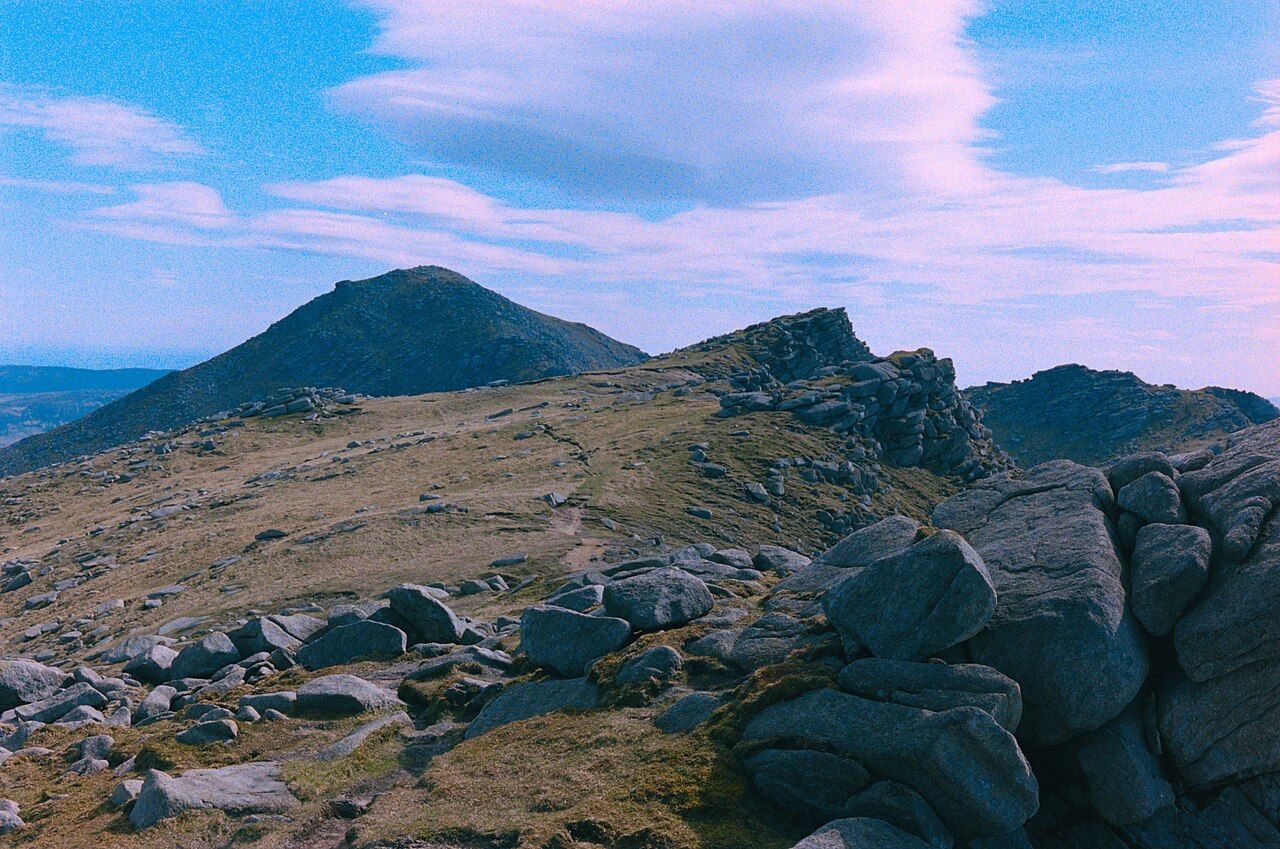

The view reaches towards the long glen to the east, while Kintyre and the Paps of Jura broaden the outlook beyond it. The result is not a single, dominant summit view but a set of western references. That suits the rounder ridge. Its appeal lies in the company it keeps across the view, not in a sharp profile.
Is this the walk most visitors miss?
It is certainly the less frequented choice beside Goatfell and the eastern ridges. Calling it overlooked is fair; claiming that it should replace those walks is not. The western hills offer a different balance: fewer walkers, rounder granite ground, a corrie lochan and a ridge view across to Kintyre, the Paps of Jura and Glen Iorsa.
Above the bobbin-mill village below, the contrast between the coast and the ridge is part of the draw. There are other Arran stories too, including a terrace of twelve cottages, but this one stays with the western hills. The lochan makes a compact focus; the ridge makes a stronger case for lingering over the broader geography.
What is the verdict?
Beinn Bharrain and Mullach Buidhe are worth time for walkers who want a quieter side of Arran, not because the western hills outdo the east, but because they do something different. The lochan is a small, well-defined destination. The ridge has the wider view and the greater sense of space. Both make the case for turning attention towards the west, where the granite is gentler in form and the walking is less popular.
Would the corrie lochan be enough, or would the ridge’s wider view be the better answer?