The whitebeams found only on Arran
Three wild trees, one island and a story shaped by hybridisation. The steep glens of northern Arran are where rarity becomes a question of evolution and survival.
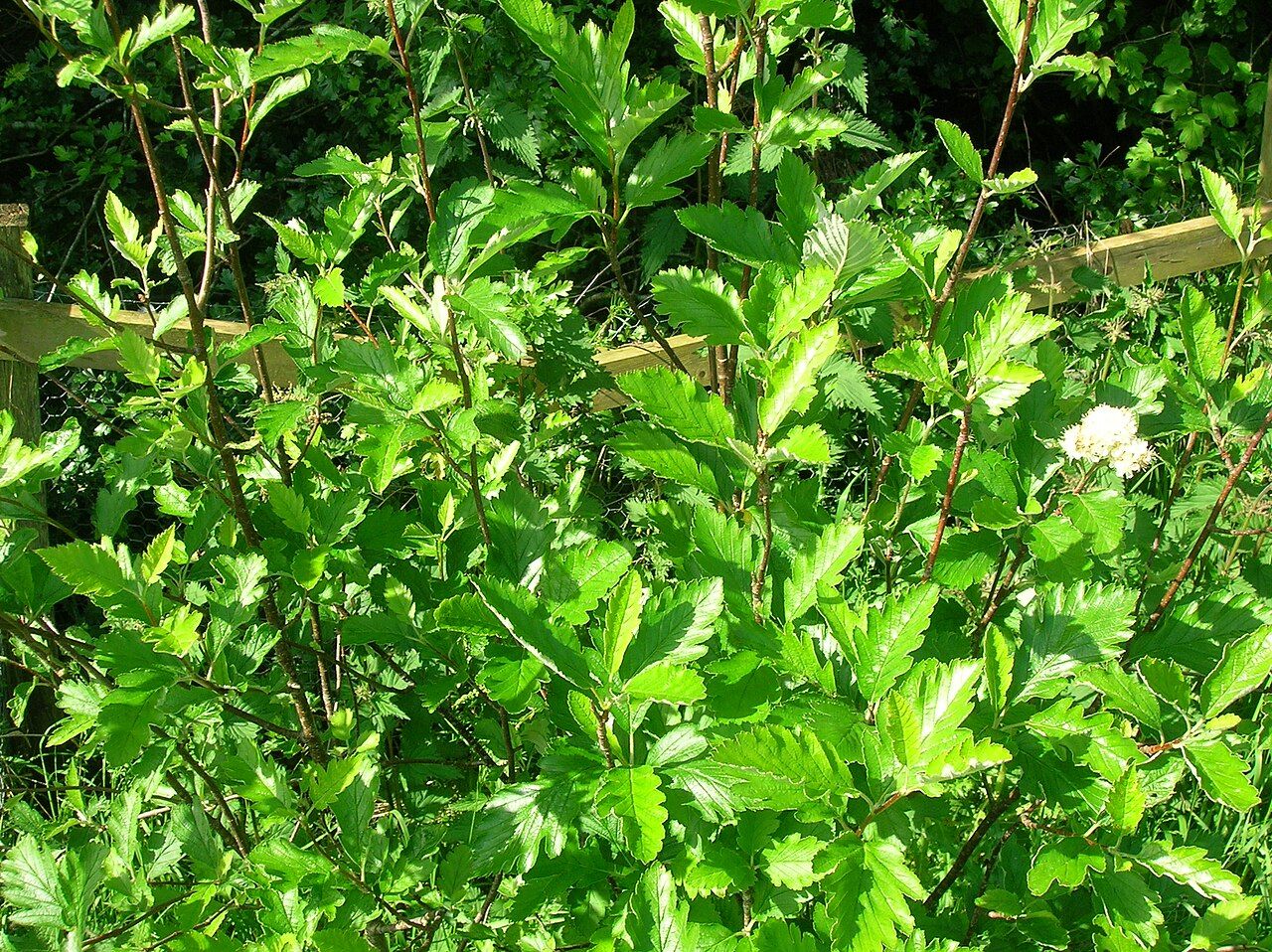
I tend to trust a tree story more once it stops being a list of names. On Arran, the names lead to a more interesting question: how did three kinds of tree come to grow wild only here? The answer is tied to hybridisation, and to the steep sides of glens in the north of the island.
Which trees are unique to Arran?
There are three kinds of tree found growing wild nowhere else in the world. The Arran whitebeam, Sorbus arranensis, is one of the island’s own trees. The Arran service-tree, Sorbus pseudofennica, also grows wild only on Arran. Then there is the Catacol whitebeam, Sorbus pseudomeinichii, described in 2007 from a very few trees in Glen Catacol.
Those names can sound like a catalogue. They are worth keeping distinct: each points to a different tree, while the wider story is shared. The Arran whitebeams are among the rarest native plants in Scotland, a judgement that NatureScot makes plain. This is not rarity as a loose compliment. It is a specific set of trees with a specific island home.
The important distinction is that rarity here is not a vague label: it belongs to trees with a very particular history and a very particular home.
The important distinction is that rarity here is not a vague label: it belongs to trees with a very particular history and a very particular home.
What does hybridisation have to do with them?
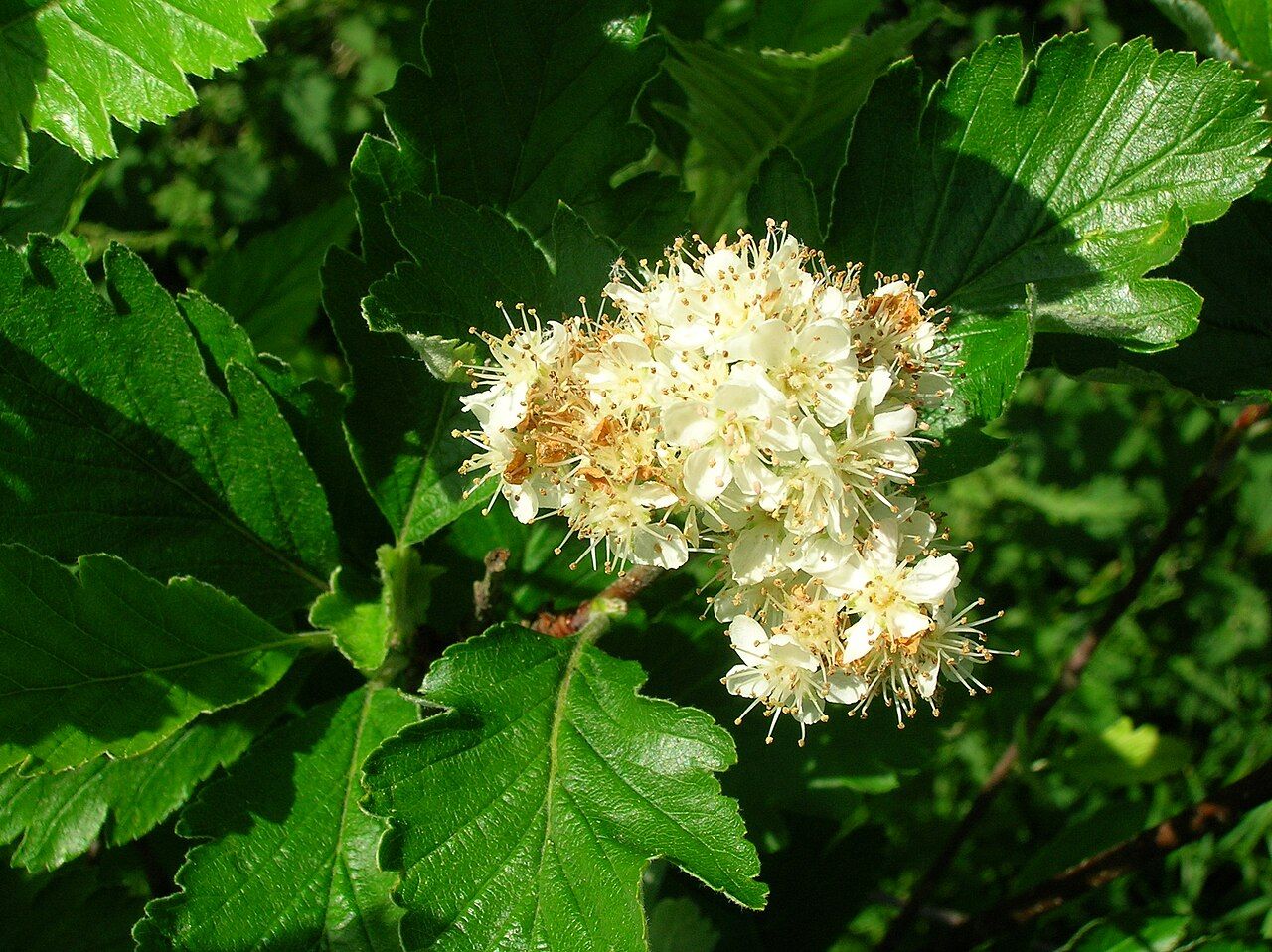
The Arran whitebeams arose through hybridisation between rowan and other whitebeams. That is the central point, and it is more useful than treating the trees as isolated curiosities. Their story is one of related forms meeting and producing trees that have become distinctive to Arran.

There is an appealing precision to that account. It gives the trees a history without pretending that rarity is a mystery solved by a single dramatic event. The facts are spare: rowan, other whitebeams, hybridisation, and the trees that grow wild on Arran. That is enough to make evolution feel local rather than abstract.
Why does Glen Catacol matter?
The Catacol whitebeam was described in 2007 from a very few trees in Glen Catacol. That makes the glen an unusually pointed part of the story: not merely a place where a rare tree grows, but the place connected with the description of one of the three kinds.
The hamlet at the glen's mouth gives the name a human edge, though the weight of the story is on the steep ground beyond it. the hamlet at the glen's mouth is a reminder that a place-name can open onto a much older and less tidy account: trees shaped by hybridisation, growing in a small part of an island.
Glen Catacol is not the whole story. The Arran whitebeams grow on the steep sides of Glen Diomhan and nearby glens in the north of the island. That wider spread matters. It keeps the focus from narrowing to one named valley, while Glen Catacol remains the sharpest point in the account of the Catacol whitebeam.
Why do they grow on steep slopes?
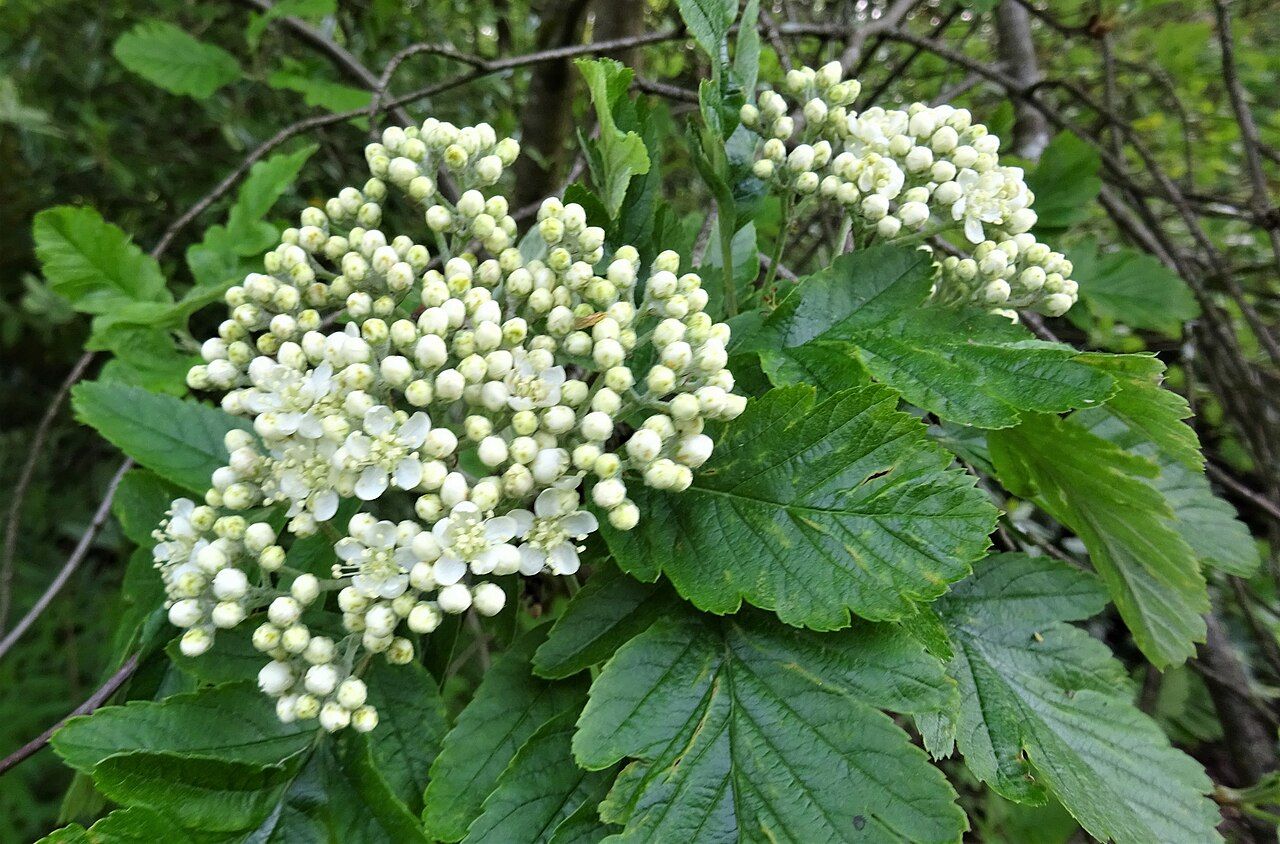
The Arran whitebeams survive mainly on rocky ground out of reach of grazing deer. This is the simplest answer, and the one that gives the landscape its role. The glens are not just scenery around the trees; rocky ground and steep sides are part of the conditions in which they persist.

There is no need to dress that up. A tree that grows wild only on Arran, and survives mainly where grazing deer cannot reach it, has a narrow story of its own. The link with the deer that browse the glens is more than a passing detail: it helps explain why the ground matters as much as the names.
When do the trees flower?
The Arran whitebeams flower in late spring, with clusters of white blossom. It is a brief, clear detail in a story otherwise concerned with names, slopes and hybrid origins. The blossom gives the trees a visible moment, but it does not make their importance depend on spectacle.
That restraint suits the subject. The strongest reason to care about these trees is not that they offer a grand view or an easy emblem for the island. It is that three kinds grow wild nowhere else, and their presence is bound up with the particular ground of Arran. The blossom is a welcome addition, not the whole argument.
Is this only a story about trees?
Not quite. It is also a way of reading a small part of the island: through the steep sides of Glen Diomhan, the nearby glens and Glen Catacol, and the balance between hybridisation and survival. There are other rare things on Arran, including another island rarity, but the whitebeams deserve attention on their own terms.
The trees make a strong case for looking closely at what a place contains, rather than asking it to provide a single grand attraction. Their story is compact, but not slight. It begins with three names, moves through hybridisation, and ends on rocky ground where grazing deer cannot reach. That is a more satisfying account than rarity alone.