Pladda and the light from shore
A low island off Arran’s south coast, Pladda is best understood from shore through the light that has guided ships since 1790.
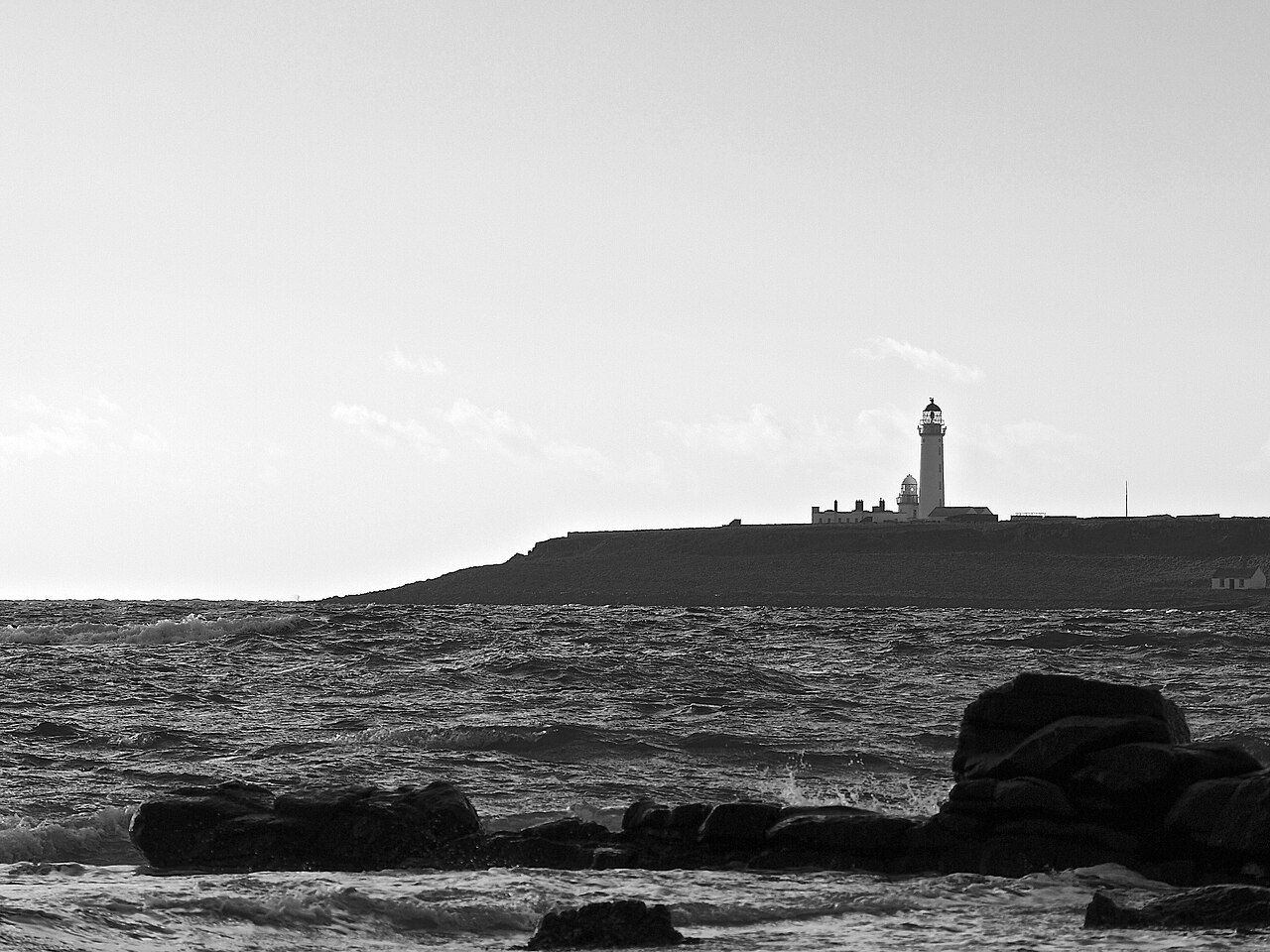
Light from shore
What does a lighthouse add to a low island? From the south coast of Arran, Pladda gives the question a plain answer: a light has a purpose beyond the island itself. Pladda is small and low, about 1.5 km offshore, and the lighthouse carries most of the story visible from land.
From the village facing the lighthouse, the useful thing is not grandeur but scale. The island sits apart, while the light points beyond it. That is a quieter kind of landmark than a tower built to dominate its setting, and a more interesting one for it.
Pladda Lighthouse was first lit in 1790. It guides ships through the southern approaches of the Firth of Clyde, so its importance is not measured by how much of the island it fills in a view. The lighthouse is run by the Northern Lighthouse Board and was automated in 1990. Those facts make the light feel less like a relic than a continuing part of the channel’s story.
There is a good detail in the earlier arrangement: Pladda once showed two lights, one above the other, to distinguish it from other lighthouses. It is a practical solution, but it also gives the place a particular identity. Seen from shore, the light is not just a point on the horizon; it belongs to a system of signals meant to be read.
The south coast has other subjects, including the igneous rock of the south coast and the summer sharks offshore. Pladda asks for a different sort of attention. There are no permanent residents, and Pladda’s name is generally linked to the Norse for a flat island. Neither detail makes the place grander. Both keep its character firmly low-key.
That is the appeal from shore: a small island, a working lighthouse, and a light with a long purpose. The view does not need a larger claim.