Kilbrannan Sound, Arran’s neighbour
A stretch of water with real width and depth, Kilbrannan Sound is not background to Arran’s west coast: it is the neighbour its villages face.
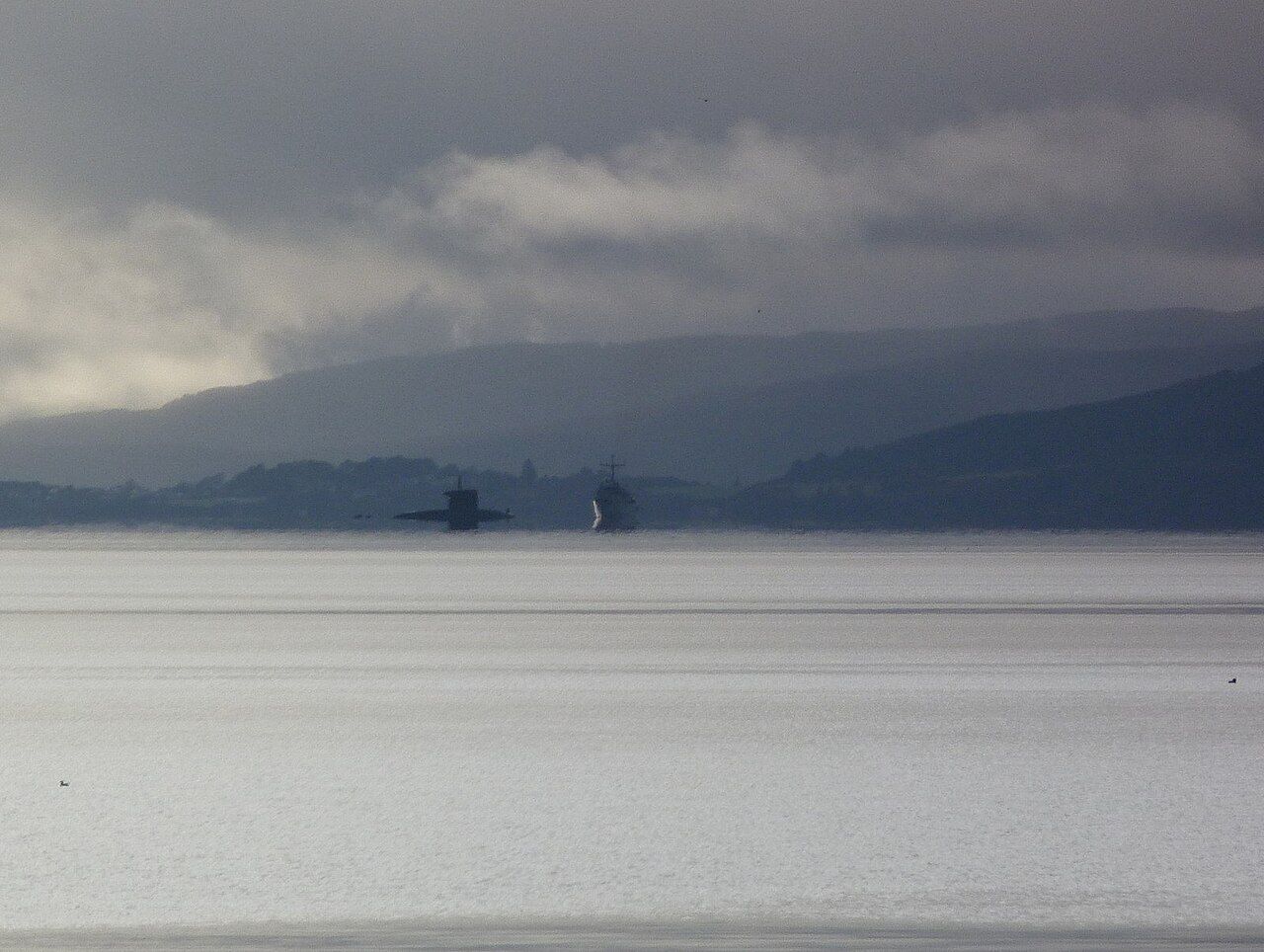
My sister hates hills. Kilbrannan Sound is a useful reminder that Arran’s west is not only a view upwards: the water itself deserves attention.
It is easy to treat a stretch of sea as scenery. Here, that misses the point. Kilbrannan Sound is a neighbour with its own presence, separating Arran’s west coast from the Kintyre peninsula.
What is Kilbrannan Sound?
It is the channel between Arran and Kintyre, between about five and thirteen kilometres wide. Those figures make “narrow” a relative description. The sound is close enough to be part of the west-coast outlook, but broad enough to feel like a real divide between land and land.
That tension is what makes it interesting. The water is not a small detail at the edge of Arran; it is the space the island faces.
Which villages face it?
Pirnmill, Catacol and Lochranza face Kilbrannan Sound. That gives the water a different character from a view encountered briefly on the way somewhere else. It is part of the setting of these villages, a presence across the shore rather than a distant blue strip to be glanced at and forgotten.
Pirnmill is a village on the sound, a useful way into the subject: the place and the water make more sense together than apart.
How close does the road come?
Arran’s west coast road runs close beside Kilbrannan Sound for much of its length. That is the sound’s strongest claim on attention. It is not simply something to seek out at one viewpoint; for much of this stretch, it stays alongside the road.
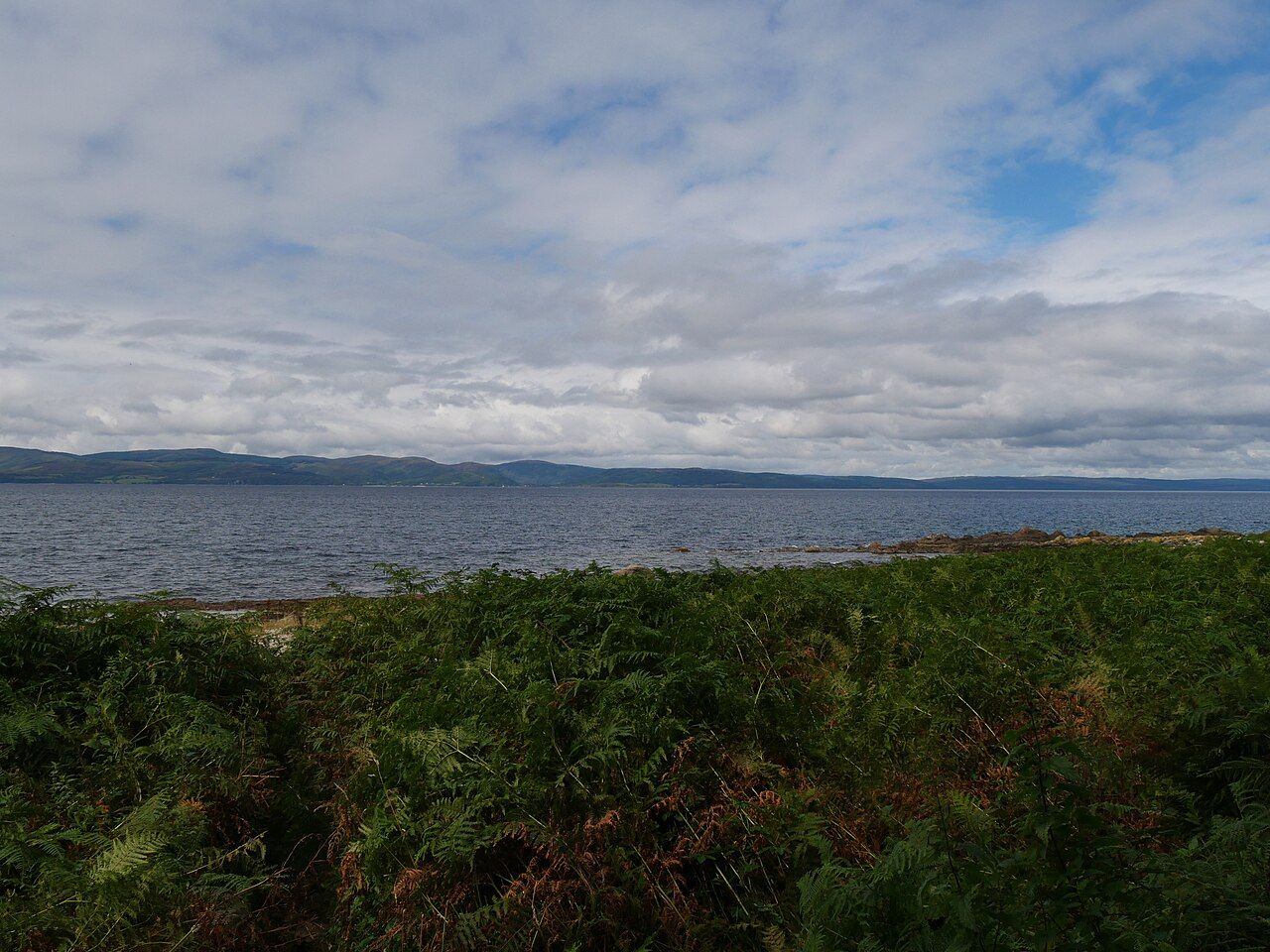

I prefer that kind of landscape to a single grand outlook. The relationship changes with the road, but the underlying fact does not: this side of Arran looks across water to Kintyre.
The ferry across the sound is another part of that relationship: the ferry across the sound.
What lies beneath the view?
Kilbrannan Sound is deep in places, reaching well over one hundred metres. That is worth knowing because it unsettles the easy picture of a narrow channel as shallow or slight. Its width can be judged from shore; its depth cannot. The sound has more substance than the surface suggests.
What is its older story?
Herring were once fished in large numbers in Kilbrannan Sound and Loch Fyne. There is no need to embellish that history. The fishery gives the water a working past, and a reminder that this was not only a view but a place where people took something from the sea.
For that strand of the story, the old herring fishery is the detail to hold on to.
What is the view worth?
In summer, the sun sets over Kintyre across Kilbrannan Sound from the Arran shore. That is a plain, strong arrangement: the shore, the water, Kintyre beyond. It does not need dressing up. The appeal lies in the fact that the land on the far side is part of the view, not an abstract horizon.
The name reaches further back still: Kilbrannan comes from a church of Saint Brendan. Between that name, the villages facing the channel and the road running beside it, the sound feels less like a gap in the map than a place in its own right.